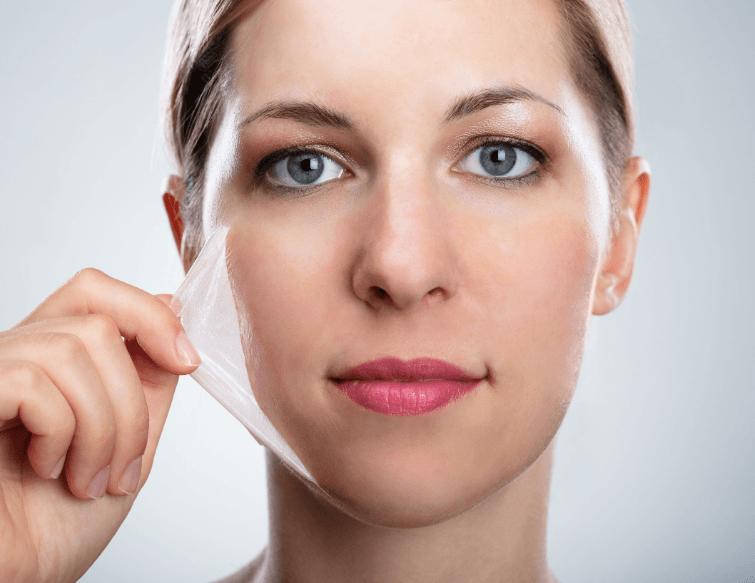
Chemical peeling, also known as chemexfoliation, is a skin-resurfacing procedure that uses a chemical solution to remove the top layers of the skin. This controlled exfoliation triggers the skin's natural healing response, stimulating the growth of new, smoother, and more even-toned skin.
The Science Behind Chemical Peels
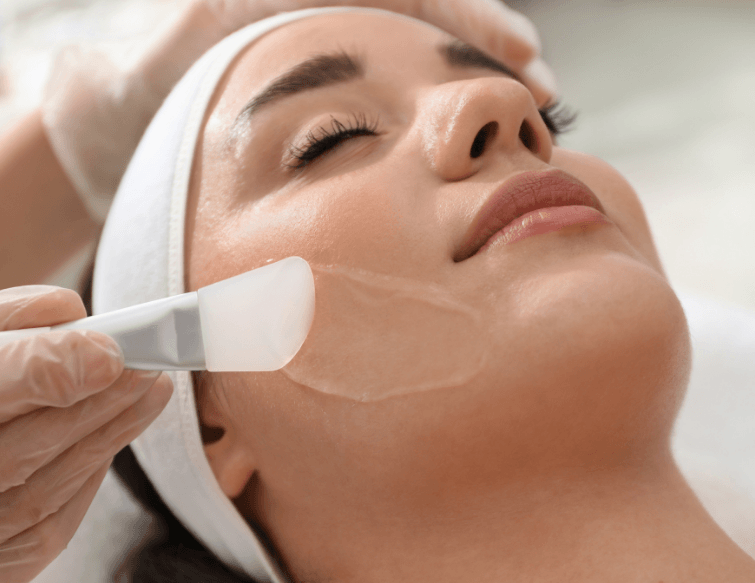
When a chemical solution is applied to the skin, it breaks the "glue" that holds dead skin cells to the healthy skin underneath . The depth of penetration depends on the type and concentration of the acid used. This process leads to:
Thickening of the epidermis – New, organised skin layers form
Increased collagen production – New collagen deposits in the dermis improve firmness
Reduced solar elastosis – Sun-damaged tissue is replaced
Improved pigmentation – Uneven pigmentation is reduced
Superficial (Light) Chemical Peels
Alpha Hydroxy Acid (AHA) Peels
Glycolic Acid Peels
Lactic Acid Peels
Mandelic Acid Peels
Beta Hydroxy Acid (BHA) Peels
Salicylic Acid Peels
Jessner's Peels
Trichloroacetic Acid (TCA) Peels
Medium-Depth Chemical Peels
Deep Chemical Peels
Combination Chemical Peels
HydraFacial
Medical Facials
Customised Peel Protocols
Dr M S Premika is a qualified Aesthetic Dermatologist with MBBS and DDVL qualifications and 10 years of experience. Her specialised training ensures safe, effective peel administration tailored to your skin type and concerns.
We conduct a thorough skin assessment to determine the most appropriate peel type and strength. Not all peels are suitable for every skin type—darker skin tones require careful selection to minimise the risk of post-inflammatory hyperpigmentation. Dr Premika creates customised treatment plans for optimal safety and results.
Our chemical peel protocols are grounded in clinical evidence. Research demonstrates that chemical peels are effective for acne, pigmentary disorders, photoaging, and superficial scars. Superficial peels are excellent for general skin maintenance and mild concerns, while medium peels address more significant pigmentation and textural issues.
Proper post-treatment care is crucial for optimal results. We provide detailed aftercare instructions, including skincare recommendations, sun protection advice, and follow-up scheduling. Patients are advised to avoid sun exposure, wear broad-spectrum SPF 50 sunscreen, and use gentle, non-irritating skincare products during the healing process.
All treatments are performed in a safe, clinical environment. We follow strict hygiene protocols and monitor patients throughout the procedure to ensure comfort and safety.
The best peel depends on your skin type and concerns. At Dr. M S Premika's Skin & Hair Clinic, we offer a range of peels—from superficial glycolic acid peels for mild concerns to medium-depth TCA peels for pigmentation and scars. Dr. Premika recommends the most suitable peel during consultation.
Chemical peels are effective for fine lines, wrinkles, acne and acne scars, uneven skin tone, age spots, melasma, freckles, hyperpigmentation, rough skin texture, rosacea, and precancerous growths.
Superficial peels are often performed in a series of 4 to 6 treatments spaced 2 to 4 weeks apart. Medium-depth peels may require fewer sessions for desired results. Deep peels are typically performed only once.
Yes, but with caution. Chemical peels can trigger post-inflammatory hyperpigmentation in darker skin types. At Dr. M S Premika's Skin & Hair Clinic, we carefully select appropriate peel types and strengths for your skin tone to minimise this risk.
We offer expert care led by Dr. M S Premika, a qualified aesthetic dermatologist with 10 years of experience. Our personalised approach, advanced treatment options, and comprehensive aftercare ensure safe, effective results for all skin types.
PREMIKA Skin and Hair Clinic, Aesthetics and Dermatology Care is located on Karakambadi Road, Tirupati. Led by Dr. M S Premika
First Floor, 22-2-159, Ur Karakambadi Road, near Reliance Digital, Road, Mangalam, Tirupati, Andhra Pradesh 517507
Copyright © 2026 | Premika Skin & Hair Clinic